The future of iron and steel in Europe: Financing a value chain in transition
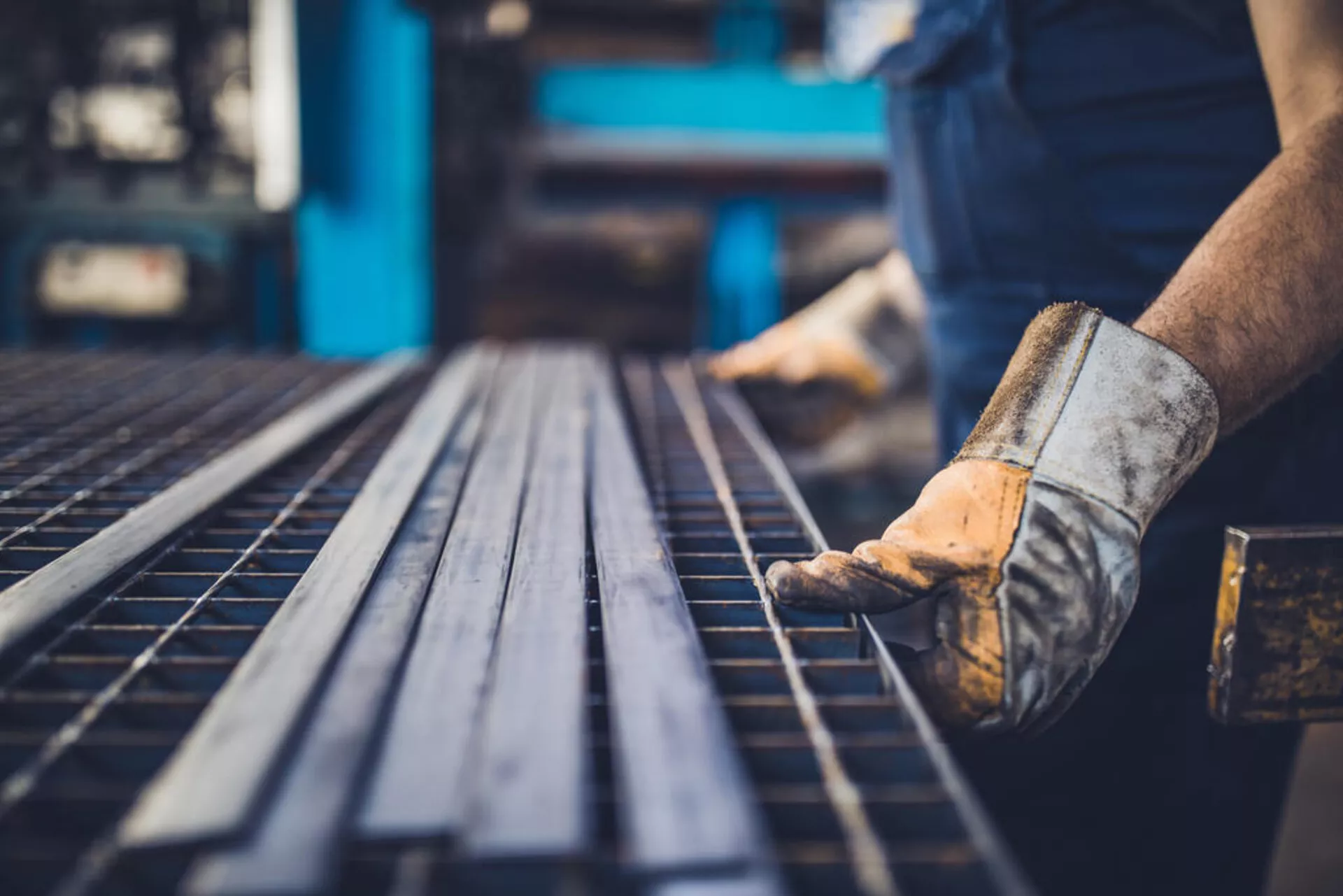
Steel remains a cornerstone of Europe’s industrial fabric. It supports hundreds of thousands of direct jobs and underpins critical sectors, from infrastructure and energy to automotive and defense. In a context of geopolitical tensions and disrupted trade flows, maintaining a resilient domestic steel industry has become a matter of strategic autonomy.
By Adrien Deslandes – Energy, Mining and Industries at Societe Generale
The steel sector is facing persistent structural challenges. Global overcapacity continues to weigh on prices, while imports from lower-cost regions exert sustained competitive pressure. These dynamics are compressing margins and constraining the industry’s ability to finance its own transformation.
Decarbonizing iron and steel: costs, technology, and resource challenges
Steel production remains highly carbon-intensive, making it central to Europe’s decarbonization agenda. Transitioning to lower-emission pathways - such as electric arc furnaces (EAFs)(1), direct reduced iron (DRI)(2), and, ultimately, hydrogen-based processes - requires substantial capital deployment.
This shift is not only capital-intensive but also technologically challenging. The demonstration of the cost competitiveness of hydrogen-based production - while offering significant emissions reductions - has yet to be made. As a result, natural gas-based DRI is expected to play a key transitional role through the 2030s.
At the same time, access to competitive low-carbon energy and high-grade iron ore is emerging as a key constraint, raising costs and reinforcing the need for disciplined capital allocation.
Policy support reshaping the investment landscape
The regulatory environment in Europe has become a key driver of investment decisions. The introduction of the Carbon Border Adjustment Mechanism (CBAM) is a major step towards levelling the playing field, ensuring that imported products face similar carbon constraints to domestic production. However, some challenges remain - notably around its scope, implementation, and the treatment of indirect emissions - which may create residual distortions in global competition.
This is complemented by the progressive tightening of the EU Emissions Trading System (ETS), alongside trade defense measures and targeted industrial policies such as the Steel and Metals Action Plan. Financial support mechanisms - including subsidies and export credit agency backing - are helping to de-risk projects.
A fragmenting value chain reshaping competition
One of the most profound shifts in the industry is the fragmentation of the steel value chain. The traditional integrated model is giving way to more modular and specialized configurations, with different players focusing on specific segments such as iron reduction, pelletizing or steelmaking.
This evolution is enabling new entrants to emerge alongside established producers. While these players may lack scale, they benefit from key structural advantages: no legacy assets, the ability to deploy new technologies, and flexibility in selecting optimal locations.
As a result, investment is increasingly flowing towards regions offering competitive fundamentals, particularly access to low-cost energy and supportive policy frameworks. Scandinavia and the Middle East are prominent examples, combining energy availability, infrastructure and strategic positioning.
This fragmentation is also reshaping global trade flows. Europe, where EAF capacity is expanding but DRI supply remains limited, is likely to remain structurally dependent on imports of high-quality metallics. This creates opportunities for external suppliers, particularly in the Middle East, to play a growing role.
In this environment, competitiveness becomes the defining factor. For any project seeking financing, the central question is clear: how does it compare with global peers on cost, execution and resilience?
Partnerships as a cornerstone of competitiveness
In this more fragmented value chain, partnerships are becoming essential to secure access to energy, raw materials and logistics.
Joint venture structures are gaining traction, bringing together industrial players, energy providers, trading houses and financial investors. This approach enables risk-sharing, aligns incentives and strengthens project robustness.
In a world where no single player controls the entire value chain, collaboration is becoming a prerequisite for both operational success and financing.
Financing steel in a higher-risk environment
For financiers, the steel transition presents a new set of challenges: evolving regulation, uncertain carbon pricing, technology risks and supply chain constraints.
Societe Generale supports clients across this transformation, acting as both financial advisor and lender. By helping structure resilient financing frameworks and optimize risk allocation, the Bank contributes to making low-carbon steel projects bankable, in line with its net-zero commitments and participation in the Sustainable Steel Principles.
In a fragmenting and higher-cost world, capital will flow only to the most competitive and well-structured projects. The future of steel will not be defined solely by technology or policy but by the ability to align industrial strategy, partnerships and financing into a coherent, resilient model.
(1) Electric Arc Furnaces (EAFs): steelmaking units that melt scrap metal using electricity, enabling lower emissions when powered by low‑carbon energy.
(2) Direct Reduced Iron (DRI): a process that produces iron by reducing iron ore with gas (natural gas or hydrogen) instead of melting it, resulting in lower CO₂ emissions than traditional methods.

By Wei Yao, Global Chief Economist and Head of Research for Asia Pacific, Societe Generale
A EUR 175 million ICIEC‑covered financing supports the Bandırma–Bursa–Yenişehir–Osmaneli High‑Speed Railway project in...

A video interview with Lénaïg Trénaux, Global Co-Head of Energy, Mining and Industries and Head of Sustainable and...

Societe Generale helps corporates navigate a rapidly changing payments ecosystem by bringing together traditional...
Societe Generale acted as Financial Advisor, Mandated Lead Arranger and Hedge Provider in the financing of the Kyon...